April 23, 2026
The boiler is a critical component of a home's heating system, providing warmth and hot water. However, like all appliances, boilers have a finite lifespan and will eventually require boiler replacement. Recognizing the signs of a failing boiler can prevent inconvenient breakdowns and enhance energy efficiency. Addressing such concerns proactively can significantly impact both household comfort and energy expenditures.
Increased Energy Bills
Understanding Efficiency Ratings
Efficiency ratings play a vital role in determining energy costs associated with heating systems. The higher the efficiency rating, the less fuel needed to produce the same amount of heat, making newer boilers more economical in operation. According to the Department of Energy, while older furnace and boiler systems typically operated at 56% to 70% efficiency, today’s conventional heating systems can reach up to 98.5% efficiency, turning nearly all fuel into usable home heat. Systems operating below their optimal efficiency waste fuel, which contributes to higher energy bills. Investing in a high-efficiency boiler can dramatically lower energy expenditures over time. By understanding and applying these efficiency ratings, homeowners can better manage their heating costs.
Monitoring Monthly Energy Costs
Monitoring monthly energy expenditures is essential for assessing boiler performance. Tracking whether costs have increased unexpectedly can signal that a boiler is failing. Increases in energy bills, without corresponding changes in household usage, may suggest that a boiler's efficiency is decreasing due to age or wear. Keeping a record of these expenses allows homeowners to identify long-term trends, providing the information needed to make informed decisions. Regularly reviewing bills helps ensure that homeowners move towards an upgrade at the right time.
Comparative Analysis with Similar Homes
Conducting a comparative analysis with similar homes can offer additional insights into a boiler’s efficiency. Homes of similar size and in the same geographic area should have relatively comparable energy bills. Notably higher heating expenses in one home can signal inefficiencies likely related to the boiler system. By examining energy use among neighbors with similar properties, anomalies can be detected, prompting further evaluation of the existing heating system. Such comparative assessments can play a crucial role in deciding when an upgrade might be necessary.
Frequent Breakdowns and Repairs
Tracking Repair Frequency
Documenting repair frequency is vital for assessing a boiler's operational condition. Increased frequency of breakdowns signals an unreliable system that may soon fail. Regular maintenance is normal, but if breakdowns become frequent, it's often a sign that the cost of repairs will surpass the value of the appliance. Frequent issues disrupt household routines and can lead to uncomfortable living conditions, especially during colder months. Keeping a log of repairs helps identify when costs and inconvenience might warrant a boiler replacement.
Understanding Repair Costs
Continuous repairs can become a financial burden, sometimes exceeding the cost of a new boiler. As systems age, repair costs tend to increase due to the necessity of replacing worn-out parts with each incident. When the cost of repairing an old boiler on an annual basis approaches or surpasses half the price of a new unit, boiler replacement becomes a more economical choice. Understanding these costs helps prioritize financial expenditure on either repairs or a new system. A cost-benefit analysis provides clarity on the best course of action based on specific repair needs.
Impact on Daily Living
Breakdowns don’t just lead to increased expenses, but significantly impact daily living through discomfort and disruption. Some families may adapt to temporary fixes, but ongoing heating problems can become burdensome, particularly during the winter months. Dependable heating systems contribute to a comfortable and stable home environment. Constant failures compromise this lifestyle and could necessitate inconvenient, impromptu service appointments. Such disruptions underline the importance of considering boiler replacement sooner rather than later.
Strange Noises and Leaks
Identifying Unusual Sounds
Noises coming from a boiler can indicate a potential problem. While some sounds during operation are normal, such as quiet whirring or humming, loud or unusual noises may signify a serious issue. Bangs, whistles, or clanking can be a symptom of an underlying mechanical failure that needs immediate attention. Ignoring such sounds might allow minor issues to escalate into extensive damage. Homeowners should monitor unusual noises closely as part of boiler upkeep and consult a technician to identify the cause promptly.
Causes of Whistling or Banging Sounds
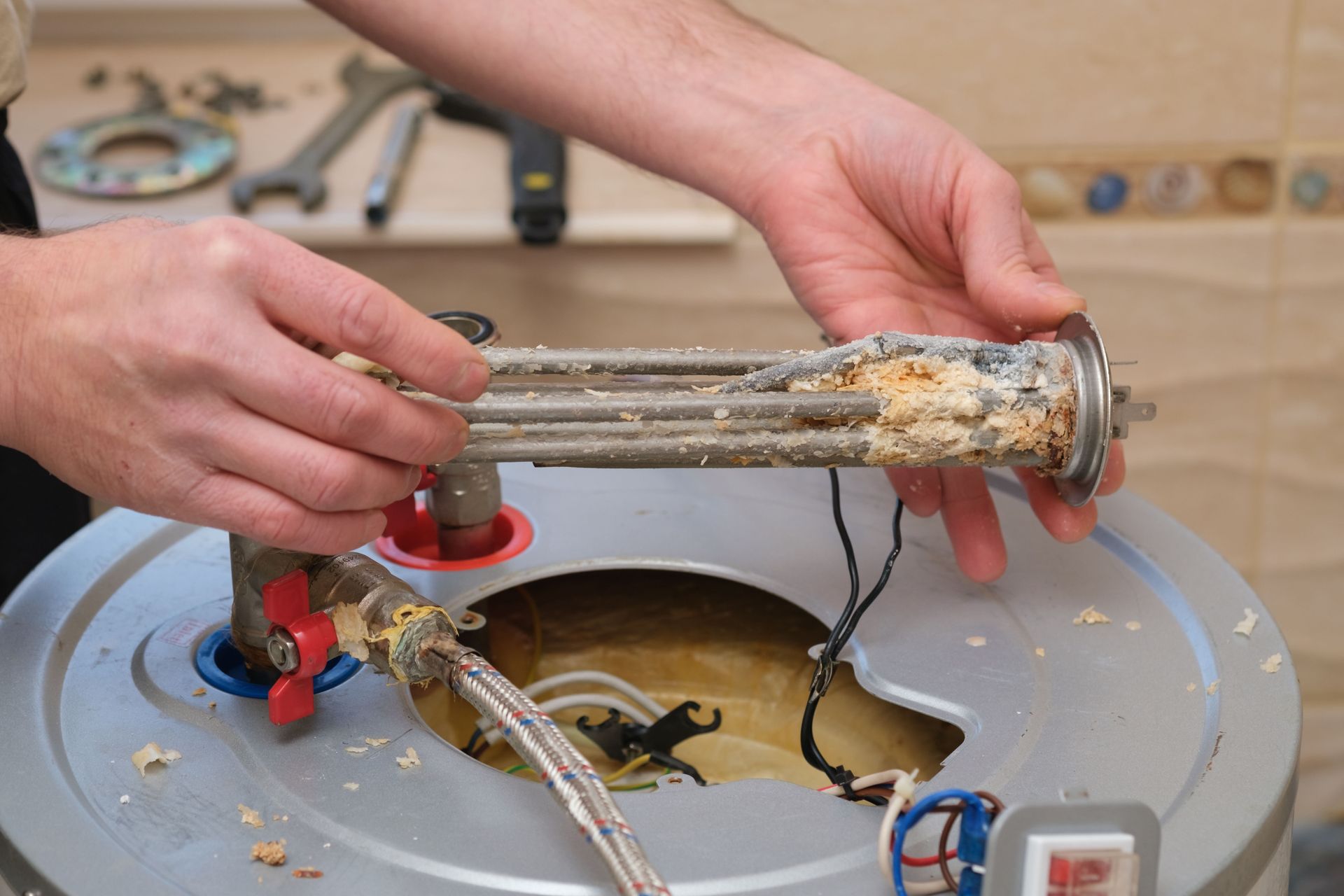
Whistling or banging sounds in a boiler can often point to specific problems needing resolution. Whistling might indicate limescale build-up or air in the system, both of which require professional attention. Banging can be a sign of a kettling issue due to limescale blocking the heat exchanger. These problems reduce system efficiency and could eventually cause costly breakdowns if left unaddressed. Addressing these causes can prevent further damage and ensure long-term boiler health.
Examining Water Leaks
Water leakage is a critical issue that can signal serious boiler malfunctions. Leaks may stem from corroded pipes or valves, damaged seals, or faulty pressure relief outputs. Not only do leaks indicate mechanical issues, but they can also cause water damage to property if not quickly addressed. Catching and fixing leaks promptly can prevent extensive damage to both the boiler and the surrounding infrastructure. Regular boiler inspections can identify potential weak points responsible for such leaks.
Inconsistent Heating Performance
Temperature Variability
Experiencing uneven heating throughout a home could suggest boiler insufficiency. Temperature variability within different rooms may point to inefficiencies where heat isn't distributed properly. This can lead to some areas remaining uncomfortably cold, necessitating system evaluation. Considering both the boiler capacity and the home’s heating demands can highlight potential mismatches in system performance. Early intervention and adjustments can help correct these issues, restoring uniform temperature control.
Water Temperature Issues
Fluctuating water temperatures can be another indicator of an aging or failing boiler. An inconsistent hot water supply often results from internal wear and inefficient heat transfer. Houses relying heavily on hot water will find such irregularities significantly impact daily routines. Quick diagnostics may reveal whether repairs are sufficient or if a boiler replacement would more effectively resolve recurring water temperature problems. By addressing these irregularities early, homeowners can maintain consistency in hot water availability.
Inability to Meet Demand
Boilers struggling to meet home heating demands represent another common indicator of system fatigue. Capacity mismatches occur when upgrades to the home outpace the boiler’s capabilities, leading to inefficient operation. Increased family size or home extensions might stress an older system beyond its original design. Recognizing when heating demands surpass a system's output helps direct efforts towards finding a more suitable solution. Acknowledging this need ahead of time can guide investment into systems offering improved energy and capacity integration.
While replacing a boiler represents a significant investment, understanding the signs of a failing system can prevent unnecessary discomfort and hazards. Investing in a new, energy-efficient model not only enhances safety and peace of mind but can also result in substantial long-term savings. Homeowners must stay vigilant of their heating system’s performance and make informed decisions regarding boiler replacements. By doing so, they uphold living standards while ensuring a sustainable home environment. Ultimately, these actions provide enhanced comfort, energy efficiency, and safety in the home.
If your boiler is showing signs of wear, Wolff’s Plumbing & Heating, Inc can help you upgrade to a reliable, energy-efficient system. Contact our team today to schedule an inspection and get expert guidance on your boiler replacement.