May 26, 2026
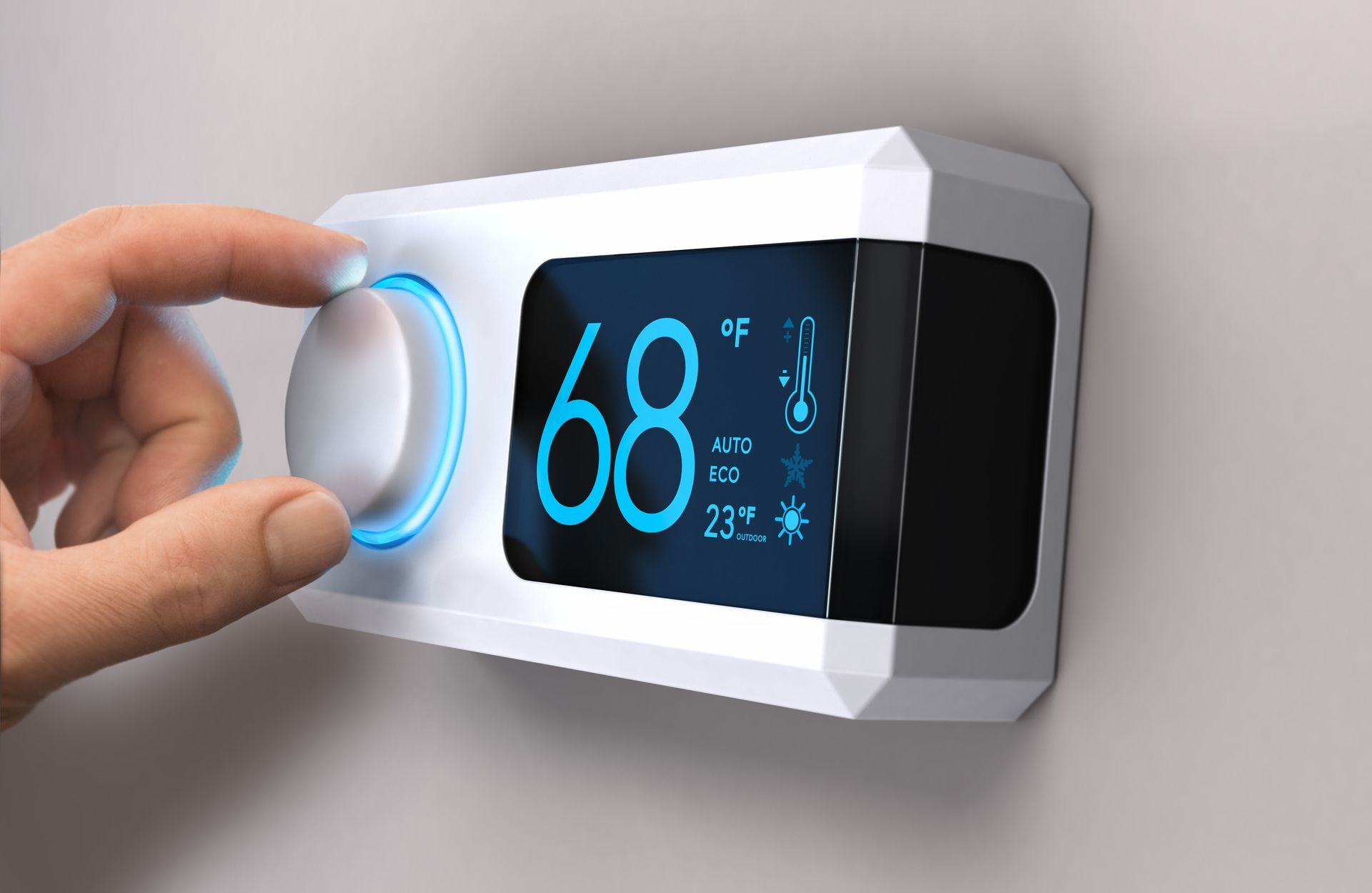
Your thermostat in your home may be covertly driving your energy bills sky-high. Often-overlooked factors can provide insight into optimizing your heating and cooling system.
I. The Hidden Costs of Outdated Thermostat Technology
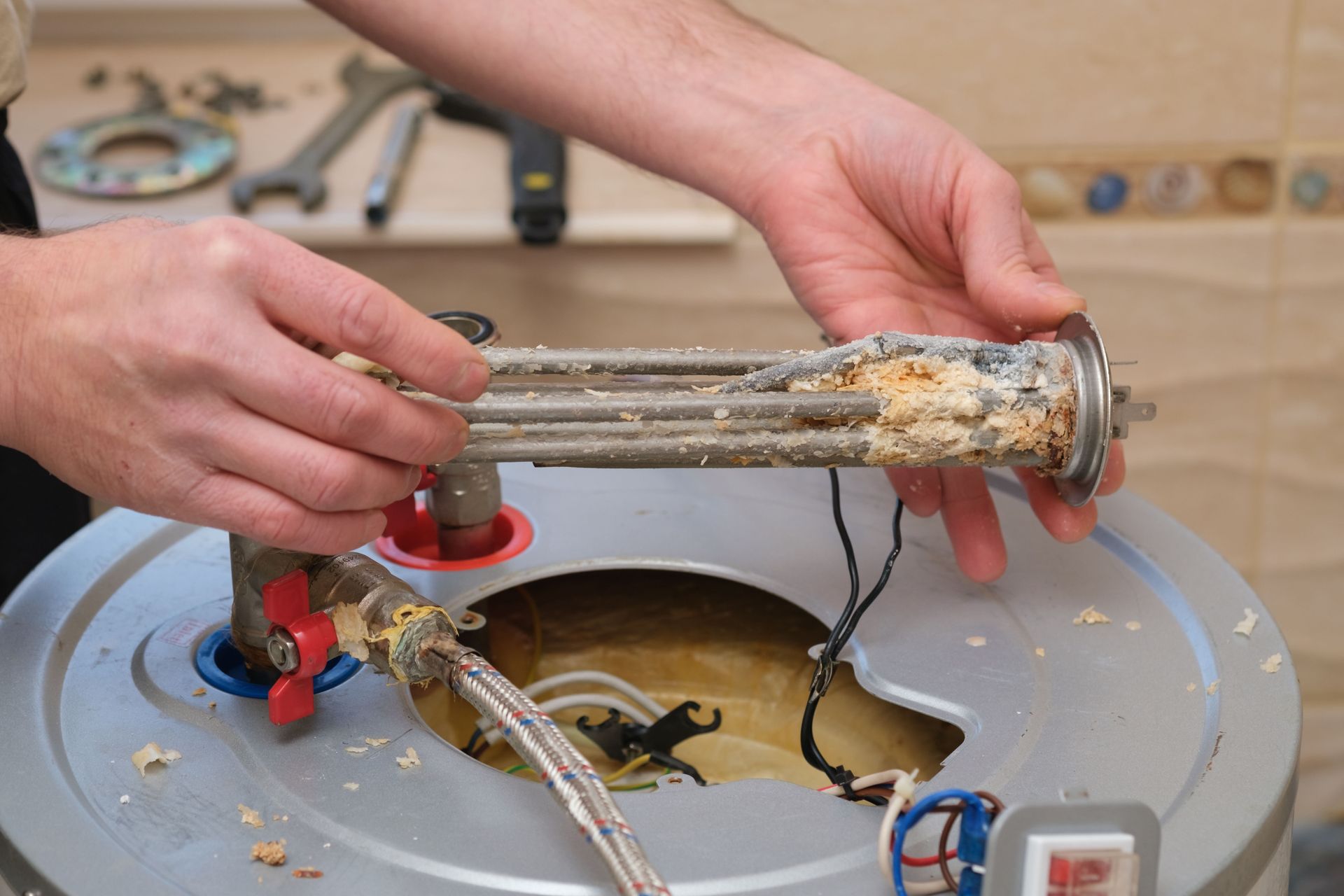
Energy leaks and inefficiencies are common with outdated thermostat systems. As a result, there is increased pressure on the HVAC system, which not only raises bills but also shortens the lifespan of the equipment due to wear and tear. To ease this mechanical strain, homeowners should pair control upgrades with a comprehensive AC tune up. Comparing old and new technology, it's evident that modern devices offer advanced features like learning capabilities and remote access via mobile apps. Such features enhance user control, allowing more precise energy management and cost reduction. According to IBIS World, HVAC revenue has increased over the last five years to around $156.2 billion, reflecting increased demand for more efficient systems.
To maximize the ROI of these modern upgrades, combining a smart controller installation with a precision AC tune up ensures the entire cooling infrastructure operates at peak factory efficiency. With the advancement of energy-efficient solutions, homeowners have more control and insights than ever before.
II. Poor Thermostat Placement and Its Impact
Mitigating External Heat Source Interference
Poor thermostat placement can lead to substantial inefficiencies in your heating and cooling systems. One common mistake is placing the thermostat near windows, doors, or direct sunlight, leading to inaccurate temperature readings. These readings prompt the HVAC system to work harder, maintaining a set temperature that misrepresents the average room condition. Additionally, placing thermostats in areas affected by external heat sources, such as kitchens or hallways, can also skew temperature readings. Correct placement is crucial to ensure the system runs efficiently and doesn’t lead to inflated energy bills.
Eliminating Structural Draft and Cold Spot Variables
Drafts and cold spots within a home are other factors that can affect thermostat accuracy. If cold air seeps through cracks near the thermostat, the device might overcompensate by running the system more than necessary. This inefficiency increases energy consumption and can make certain rooms uncomfortable. If your thermostat has been ghost-cycling due to these localized drafts, scheduling a professional AC tune up can verify that the system itself hasn't suffered mechanical damage from short-cycling. Understanding the mechanics of airflow and room temperature dynamics is vital for optimizing thermostat placement. Consumers should be vigilant about draft-proofing their homes to prevent thermostat-related inaccuracies.
Optimizing Centralized Mounting Coordinates
For optimal thermostat placement, users should consider mounting them on interior walls away from airflow obstructions and heat sources. Ideally, the thermostat should be centrally located, approximately five feet above the floor level, to provide a more accurate average room temperature. Implementing solutions, such as relocating thermostats or using remotely controlled devices, can provide noticeable energy savings. Case studies show that simple changes to thermostat placement can lead to cost reductions in monthly energy bills. Ensuring a correctly positioned thermostat is an easy, practical step toward energy efficiency and reduced costs.
III. The Role of User Settings and Mismanagement
Overcoming Default Programming Friction
Many users inadvertently misuse their thermostat settings, leading to increased energy usage. Overreliance on default settings is a common issue, as these often do not align with optimal energy efficiency or comfort conditions. Users might mistakenly believe the default settings are energy efficient, whereas personalized adjustments could offer significant savings. Additionally, manual adjustments made throughout the day can cause spikes in energy usage as the HVAC system struggles to meet erratic demands. Beyond programming tailored schedules, booking a preventative AC tune up is an excellent baseline strategy to ensure the mechanical hardware can seamlessly handle user-directed load shifts. Therefore, understanding the benefits of tailored thermostat programming is crucial for cost-effective energy use.
Mastering Calendarized Seasonal Set Points
Seasonal adjustments can greatly influence energy consumption yet are frequently overlooked by users. Inadequate knowledge about how to program thermostats for different times of the year results in continued inefficiency. For instance, not altering temperature set points to reflect milder ambient temperatures during spring or fall wastes energy. Homeowners should treat seasonal programming transitions as a reminder to arrange an architectural AC tune up, preparing the cooling coils and compressors for upcoming weather extremes. Educating users on these necessary seasonal adjustments can empower them to manage energy better and anticipate changes in their utility bills accordingly. Knowledgeable users can significantly impact their energy reductions and cost savings.
Leveraging Mobile Integration Applications
Tools and apps are available to assist users in managing their thermostats more effectively. Through mobile applications, users can receive alerts, customize temperature settings, and understand energy use patterns, all of which contribute to better energy management. These digital solutions simplify the process of customizing user settings, ensuring more efficient management practices. Informed use of technology in managing thermostats translates into financial savings and improved household comfort. Laying the groundwork for responsible energy use begins with educating users on available resources.
IV. Misconceptions About Programmable Thermostats
Navigating Intentional Custom Programming Routines
Programmable thermostats are often marketed as tools to save energy and money, but misconceptions can lead to user disappointment. The promise of energy savings depends heavily on proper programming and consistent management of temperature settings. Users may assume these devices inherently save energy, disregarding the importance of consistent interaction and adjustments. The reality is that without careful programming and knowledge, anticipated savings may not materialize. Thus, it's essential to address misconceptions and educate users on optimizing programmable thermostats.
Resolving Intricate Interface Complexity Barriers
For many users, complex programming deters them from taking full advantage of their thermostat's capabilities. Intricate interfaces and complicated settings can be frustrating, transforming a hopeful buying decision into a nightmare. Users often fail to realize the potential savings due to programming complexities. As a result, achieving desired comfort levels and energy savings becomes nearly impossible without committing to learning the system adequately. Recognizing this barrier, manufacturers are increasingly designing user-friendly interfaces to encourage more widespread adoption.
Rejecting Passive Operational Myths
The myth of a "set-it-and-forget-it" thermostat hinders effective energy management. Many users unknowingly believe setting the initial timing and temperature is sufficient, without periodic updates, leading to inefficiencies. In reality, regular interaction and reevaluation of set points ensure alignment with comfort and efficiency goals. When a system has been mismanaged due to passive setting habits, arranging a professional AC tune up can restore the underlying mechanical system back to a reliable performance baseline. Assessing real user experiences shows the potential for improvements in energy management through consistent engagement with the device. To use programmable thermostats effectively, users must adopt a dynamic approach, frequently adjusting settings to reflect their routines and preferences.
V. Smart Thermostats: Are They a Saving Grace?
Smart thermostats offer several promising features and benefits that older models simply can't match. One of the primary advantages is their ability to learn from user behaviors and adjust temperatures accordingly, optimizing energy use without manual intervention. This capability results in seamless transitions between comfort levels while maximizing efficiency. Moreover, these devices provide real-time data and comprehensive reports, offering transparency into daily energy consumption. By leveraging this information, users can make informed decisions on where to reduce usage and cut costs effectively.
Smart thermostats can be integrated with broader smart home systems, enhancing automated energy management. These integrated systems allow users to control various devices from a single interface, streamlining daily operations. Such connectivity enhances convenience and potential energy savings, as different systems work cohesively towards efficiency. A cost-benefit analysis of smart thermostats demonstrates that although the initial investment may be higher, the potential for reduced bills and enhanced comfort is worthwhile. Along with these automated software benefits, securing an on-site AC tune up ensures that your cooling hardware possesses the mechanical capacity to execute your smart home’s automated commands efficiently. The shift towards these technologies supports the industry's growth prospects, with HVAC revenue predicted to reach $156.2 billion in 2025.
VI. Effective Strategies for Reducing Energy Bills
Reducing energy bills begins with recognizing the importance of routine maintenance and thermostat calibration. Regular check-ups can identify inefficiencies within HVAC systems, significantly reducing energy consumption. A well-maintained thermostat ensures accurate readings and optimal performance, contributing to reducing unnecessary wear and tear on the system.
For absolute peace of mind and maximum utility savings, protect your household investment by scheduling your next technical cooling service call with the elite team at Wolff's Plumbing & Heating, Inc.